Key Groundwater Warning Signs to Look Out for During Project Planning
Groundwater in Australia is heavily regulated, sensitive to the environment, and often not well understood at the initial stage of the planning process. However, when groundwater is not properly assessed early, project teams commonly face:
- Unexpected approval conditions late in the planning process
- Misalignment of design, geotechnical, and environmental inputs.
- Increased scrutiny from regulators due to data gaps or uncertainty.
- Challenges in justifying groundwater impacts to stakeholders and landholders.
- Reduced flexibility to optimise design once groundwater constraints emerge.
When you engage experienced groundwater consulting services, they can help you find groundwater risks early on, before they affect costs, timelines, or approvals.
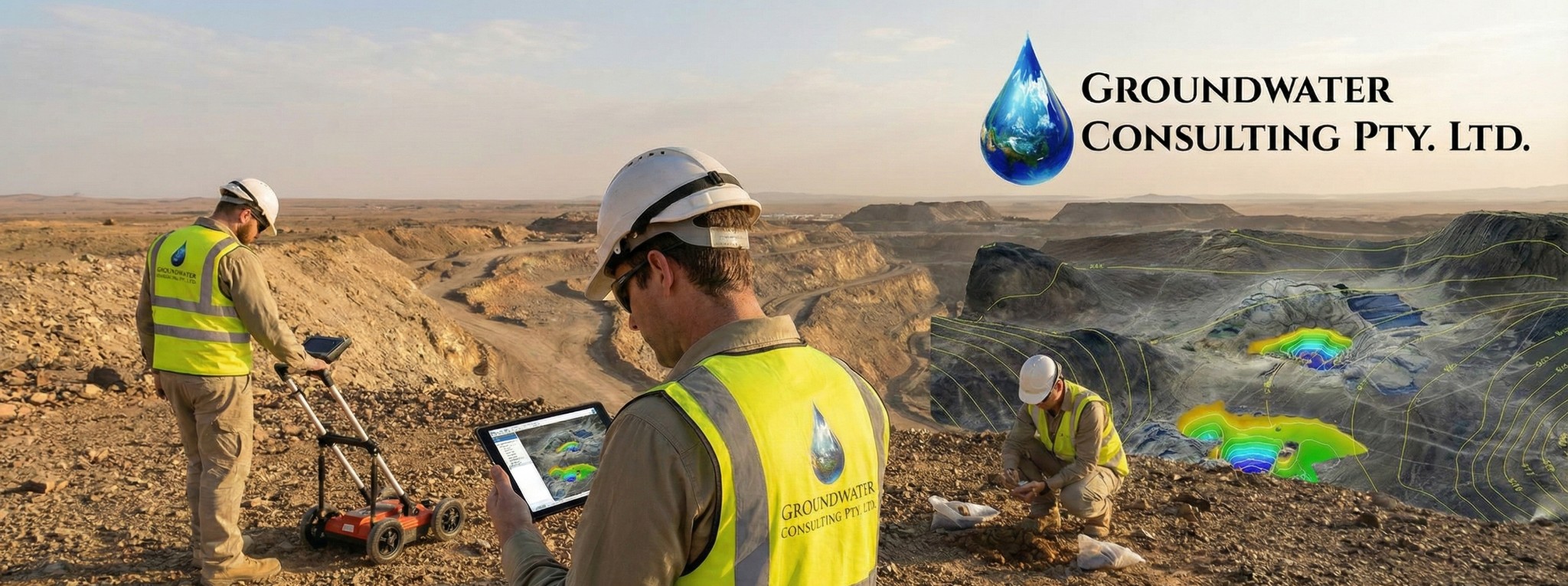
At GWC, we provide groundwater advice based on site-specific data and regulatory requirements to support Australian projects. In order to lower uncertainty and promote well-informed decision-making, our team of groundwater assessment consultants collaborates closely with clients.
In this blog, we cover the key groundwater warning signs to look out for during project planning.
Why Groundwater Warning Signs Matter Early in Project Planning?
Groundwater influences far more than construction activities. In Australia, it is a key factor in approvals, environmental impact assessments, and long-term compliance.
Missing early warning signs can result in:
- Design changes late in the project lifecycle.
- Higher dewatering and monitoring costs.
- Additional approval conditions or delays.
Engaging specialist groundwater consulting services early allows groundwater risks to be identified, assessed, and managed proactively rather than reactively.
1. High or shallow groundwater levels
Shallow groundwater raises the risk of flooding during excavation, ground instability, and ongoing dewatering requirements. This is common in Australia’s coastal areas, floodplains, and alluvial systems.
Early indicators during planning:
- Existing bores showing high standing water levels.
- Persistent wet ground conditions outside rainfall events.
- Local records of flooded excavations.
Without early input from groundwater consultants, shallow groundwater often becomes a construction issue rather than a planned design consideration.
2. Limited understanding of local geology and aquifers
Groundwater behaviour is controlled by geology. Unreliable forecasts result from a lack of knowledge about aquifer types, connectivity, or hydraulic characteristics.
Common warning signs include:
- Reliance on regional or desktop data only.
- Limited borehole information.
- No aquifer testing.
Due to Australia’s extremely diverse hydrogeology, site-specific studies are crucial. This is a core focus of experienced groundwater assessment consultants.
Looking for reliable groundwater consultants to support your project requirements?
Contact us at 08 6209 2495.
3. Groundwater-dependent ecosystems nearby
Stable groundwater conditions are essential for groundwater-dependent ecosystems. Environmental effects and regulatory concerns can result from even slight variations in water levels.
Early warning signs include:
- Permanent wetlands or springs.
- Deep-rooted native vegetation.
- Environmental mapping flags from state databases.
When there are GDEs, projects usually need a thorough evaluation as part of broader groundwater and environmental services.
4. Existing groundwater users in the area
Changes in drawdown or water quality may affect nearby groundwater users, like farmers, councils, or businesses.
Planning indicators:
- High density of registered bores.
- Licence conditions referencing drawdown limits.
- Known groundwater sensitivity in the region.
Australian regulators expect proponents to demonstrate minimal impact on other users. This is best supported by robust assessment from qualified groundwater consultants.
5. Groundwater quality or salinity risks
Dewatering, disposal choices, and environmental approvals are all directly impacted by groundwater quality. Groundwater can be acidic, mineralised, or saline in many parts of Australia.
Identifying quality risks early is a key component of effective groundwater consulting services, particularly for coastal, arid, or previously disturbed sites.
6. Insufficient baseline groundwater data
Without baseline data, it is difficult to predict impacts, support approvals, or demonstrate compliance.
Common issues include:
- Monitoring programmes started too late.
- Too few monitoring bores.
- Limited seasonal data.
Establishing baseline conditions is an essential component of new groundwater services in Australia, supporting long-term groundwater management as well as approvals.
Partner with GWC for trusted groundwater consulting services in Australia.
7. Assuming groundwater will not be an issue
This assumption frequently results in unnecessary project risk. Impacts on groundwater may not be visible on the surface, but they often show up during excavation or operation.
Getting experienced groundwater assessment consultants involved early on helps find and deal with these risks before they affect delivery.
Conclusion
Groundwater warning signs should be addressed during planning rather than after construction starts because they offer early insight into potential project risks. Early assessment support better design choices, easier approval processes, and lower long-term costs.
With extensive experience delivering groundwater consulting services across Australia, GWC supports projects with practical, defensible groundwater solutions. Our team offers integrated groundwater and environmental services that are tailored to fit the needs of each site and follow regulatory requirements. Get in touch with our team to discuss how we can support your project with confidence.